Introduction to Windows System
Windows is a popular operating system designed by Microsoft. It is a graphical user interface-based operating system that allows users to interact with their computers with ease. It is known for its ease of use, user-friendly interface, and a wide range of features.
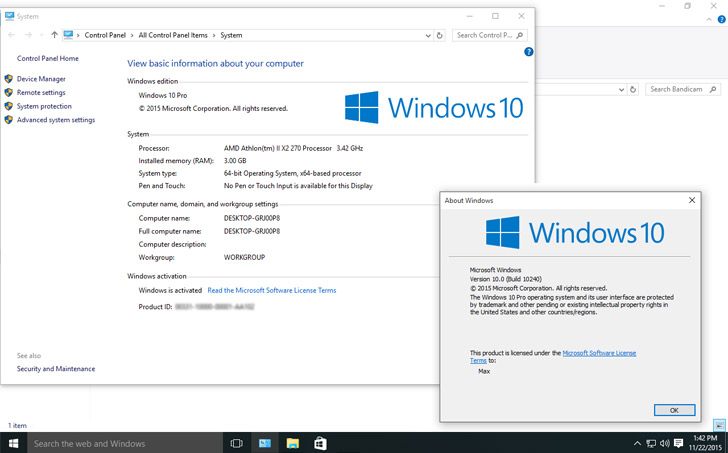
History of Windows System
The first version of Windows was released in 1985. It was a graphical user interface-based operating system that allowed users to use their computers with a mouse instead of using complex commands. Since then, Microsoft has released several versions of Windows, including Windows 95, Windows XP, Windows Vista, Windows 7, Windows 8, and Windows 10.
- www.directorysiteslist.com/site/activador-windows.com
- https://pr-cy.io/
- https://similars.net
- advancedsitestats.com
Different Versions of Windows System
There are different versions of Windows System, each with its unique features and specifications. Windows 10 is the latest version of Windows, which is widely used by users worldwide.
Features of Windows System
Windows System comes with a wide range of features that make it popular among users. Some of its features include:
- Graphical User Interface (GUI)
- Multi-tasking
- Virtual Memory
- Device Driver Support
- Plug and Play
- Taskbar and Start Menu
- Control Panel
- Windows Explorer
- Microsoft Office
- Cortana
User Interface of Windows System
The user interface of Windows System is designed to be user-friendly and easy to navigate. It includes a desktop, taskbar, and start menu, which allows users to access their applications and files quickly.
File Management in Windows System
Windows System includes a file management system that allows users to organize their files and folders efficiently. It includes features such as copy, paste, delete, and search, which makes it easy to manage files.
Security Features in Windows System
Windows System includes several security features to protect users from online threats. It includes features such as Windows Defender, Firewall, BitLocker, and Windows Hello, which provides secure access to your system.
Networking in Windows System
Windows System supports various network protocols such as TCP/IP, DHCP, and DNS, which allows users to connect to the internet and other devices easily. It also includes features such as Remote Desktop, HomeGroup, and Network and Sharing Center, which makes it easy to share files and printers with other devices.
System Performance in Windows System
Windows System includes several features that improve system performance. It includes features such as Disk Cleanup, Disk Defragmenter, and Task Manager, which helps optimize the system's performance.
Windows System Requirements
Windows System has certain hardware and software requirements that must be met for it to function correctly. The requirements vary depending on the version of Windows you are using.
How Windows System Works
Windows System is designed to work on a hierarchical structure. It includes several components such as the kernel, executive, and system services, which work together to provide a seamless user experience.
Windows System Architecture
Windows System has a layered architecture that separates the different components of the operating system. The architecture includes four layers:
- User Mode
- Kernel Mode
- Hardware Abstraction Layer (HAL)
- Firmware
- Each layer provides a specific set of functions and services to the operating system.
Types of Windows System Updates
Windows System receives regular updates to add new features and fix bugs. There are two types of updates:
- Feature updates
- Quality updates
Feature updates include new features and functionality to the operating system. Quality updates include bug fixes, security updates, and performance improvements.
Advantages of Windows System
Windows System has several advantages that make it popular among users. Some of the benefits include:
- User-friendly interface
- Wide range of features
- Compatibility with various applications and hardware devices
- Excellent support and documentation
- Regular updates and bug fixes
Disadvantages of Windows System
Windows System also has some disadvantages that users should be aware of. These include:
- Vulnerability to viruses and malware
- High system requirements
- Can be expensive for some users
- Proprietary software with limited customization options
In conclusion, Windows System is a popular operating system used by millions of users worldwide. It provides a user-friendly interface, a wide range of features, and regular updates. However, users should be aware of its vulnerabilities to viruses and malware, high system requirements, and limited customization options.
Comments
Post a Comment